


Balochistan: The Birth of a New Nation and Its Path to Sovereignty
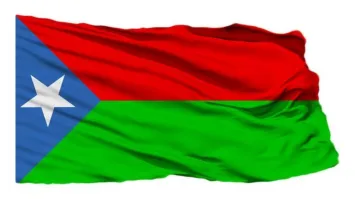
Introduction
The formation of a new country is always a momentous event in global geopolitics. Balochistan, a historically contested region, has long been the subject of intense debate due to its rich cultural heritage, significant natural resources, and ongoing struggles for autonomy. The declaration of independence by Baloch leaders marks the dawn of a new era, bringing both hope and challenges for the people of Balochistan and reshaping South Asia's political landscape.
This article delves into the historical background, reasons for independence, key aspirations of the Baloch people, and the road ahead for the newly established nation.
Historical Context: The Long Road to Independence
Balochistan has a deep-rooted history spanning centuries. Traditionally home to the Baloch people, the region was once governed by the Khanate of Kalat, a princely state that enjoyed autonomy. However, in 1948, Pakistan annexed Balochistan, triggering resistance movements that have persisted for decades. Many Baloch nationalists argue that this annexation was forced, depriving the region of its sovereign status.
Over the years, Balochistan has witnessed frequent uprisings, fueled by allegations of economic neglect, political suppression, and human rights violations. Numerous activist groups have called for either greater autonomy or complete independence, citing concerns over resource exploitation and the Pakistani military’s heavy-handed approach in handling dissent. The demand for self-rule has only intensified as Baloch people struggle to reclaim control over their land, identity, and governance.
The Declaration of Independence
A major turning point came when prominent Baloch leaders, including Mir Yar Baloch, formally declared independence. The announcement sent shockwaves across South Asia, reshaping existing political alignments and sparking debates on sovereignty, diplomacy, and international recognition.
Key Elements of the Declaration
The declaration emphasized several crucial aspects:
- Sovereignty and Self-Governance: Balochistan will now function as an independent nation with its own leadership, constitution, and economic policies.
- International Recognition: Leaders urged global powers and the United Nations to officially acknowledge Balochistan as a free state.
- Ending Military Presence: The new government demanded the withdrawal of Pakistani forces from Balochistan to prevent further conflict.
- Formation of Diplomatic Relations: Calls were made for establishing a Baloch embassy in India and initiating diplomatic discussions with neighboring countries.
Mir Yar Baloch, a vocal proponent of independence, highlighted the need for immediate support from international organizations, arguing that the people of Balochistan have endured decades of oppression and deserve a chance to build their own future.
Why Did Balochistan Seek Independence?
Several critical factors contributed to the push for independence:
1. Economic Exploitation and Resource Mismanagement
Balochistan is rich in natural resources, including vast reserves of natural gas, minerals, and copper. Despite this abundance, locals have long alleged that Pakistan has exploited these resources without reinvesting profits into regional development. The lack of proper infrastructure, employment opportunities, and healthcare facilities has left many Baloch citizens struggling, further deepening the desire for self-governance.
2. Human Rights Concerns
Reports of enforced disappearances, extrajudicial killings, and suppression of activists have plagued Balochistan for years. Organizations such as Amnesty International and Human Rights Watch have documented instances of state-led crackdowns against those advocating for independence. The desire to live in a nation free from fear and suppression became a rallying cry for many Baloch citizens.
3. Cultural and Identity Struggles
The Baloch people possess a rich cultural heritage and linguistic identity that differs from Pakistan’s dominant ethnic groups. Many Baloch activists argue that their traditions, language, and way of life have been marginalized. Independence allows them to reclaim their identity and establish policies that align with their values, customs, and historical roots.
4. Geopolitical Tensions and Regional Influence
Balochistan’s strategic location has drawn interest from regional and global powers. With key trade routes and proximity to the Arabian Sea, the region has the potential to become an important economic hub. Independent governance would allow Balochistan to negotiate trade deals, build alliances, and develop infrastructure on its own terms.
Challenges Facing the New Nation
While independence brings hope, numerous challenges lie ahead for Balochistan.
Political Stability
Establishing a new government requires careful planning and execution. Balochistan must develop strong institutions, draft a constitution, and set up governing bodies to ensure political stability.
Economic Development
Building a stable economy is crucial for long-term success. Leaders must focus on leveraging natural resources, improving trade relations, and creating job opportunities for citizens.
Security and Defense
With potential conflicts looming, Balochistan needs a clear strategy to maintain security and prevent external threats. Border management and defense policies will be key in ensuring territorial integrity.
International Recognition
Gaining formal recognition from global powers and securing diplomatic ties will be an ongoing process. Without international backing, the new nation could face economic and political isolation.
What Lies Ahead for Balochistan?
The road to sovereignty is never easy, but Balochistan’s leaders are determined to carve out a future where citizens can thrive in a nation that respects their rights and aspirations. Global powers will likely monitor the situation closely, as the emergence of a new country inevitably impacts regional and international politics.
The next few months will be crucial in shaping Balochistan’s governance, economy, and international standing. As the nation begins its journey, the world watches with anticipation to see whether it can successfully navigate the complexities of statehood.
